I met Holly Bea Adair the way I tend to meet people these days: She’s a reader of my newsletter, one who would always pop into our chats or book club meetings with the most gorgeous photos of dinners and tablescapes or lush outdoor backdrops. There was a clear and considered beauty to her everyday existence, and food was at the foundation of it.
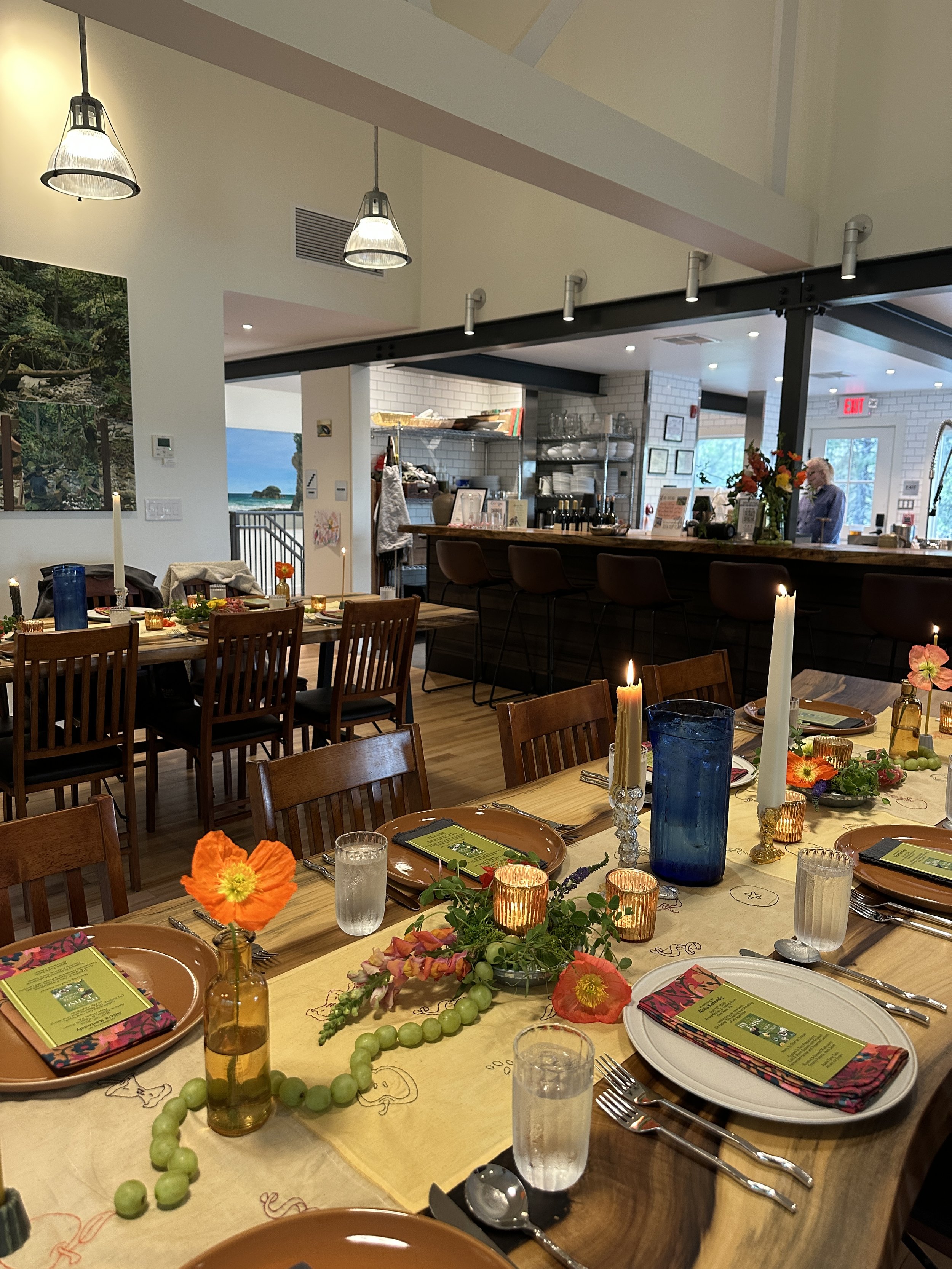
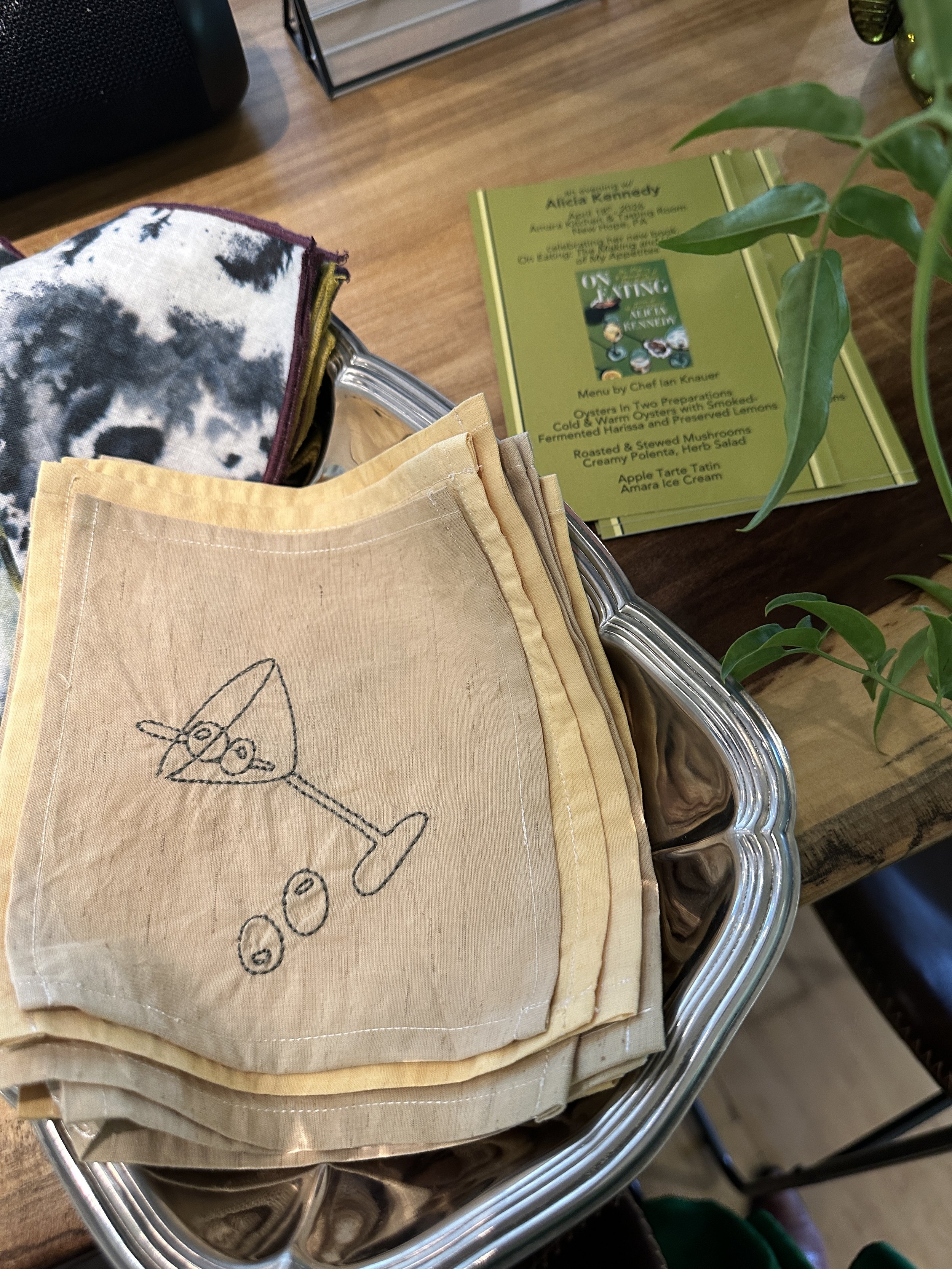
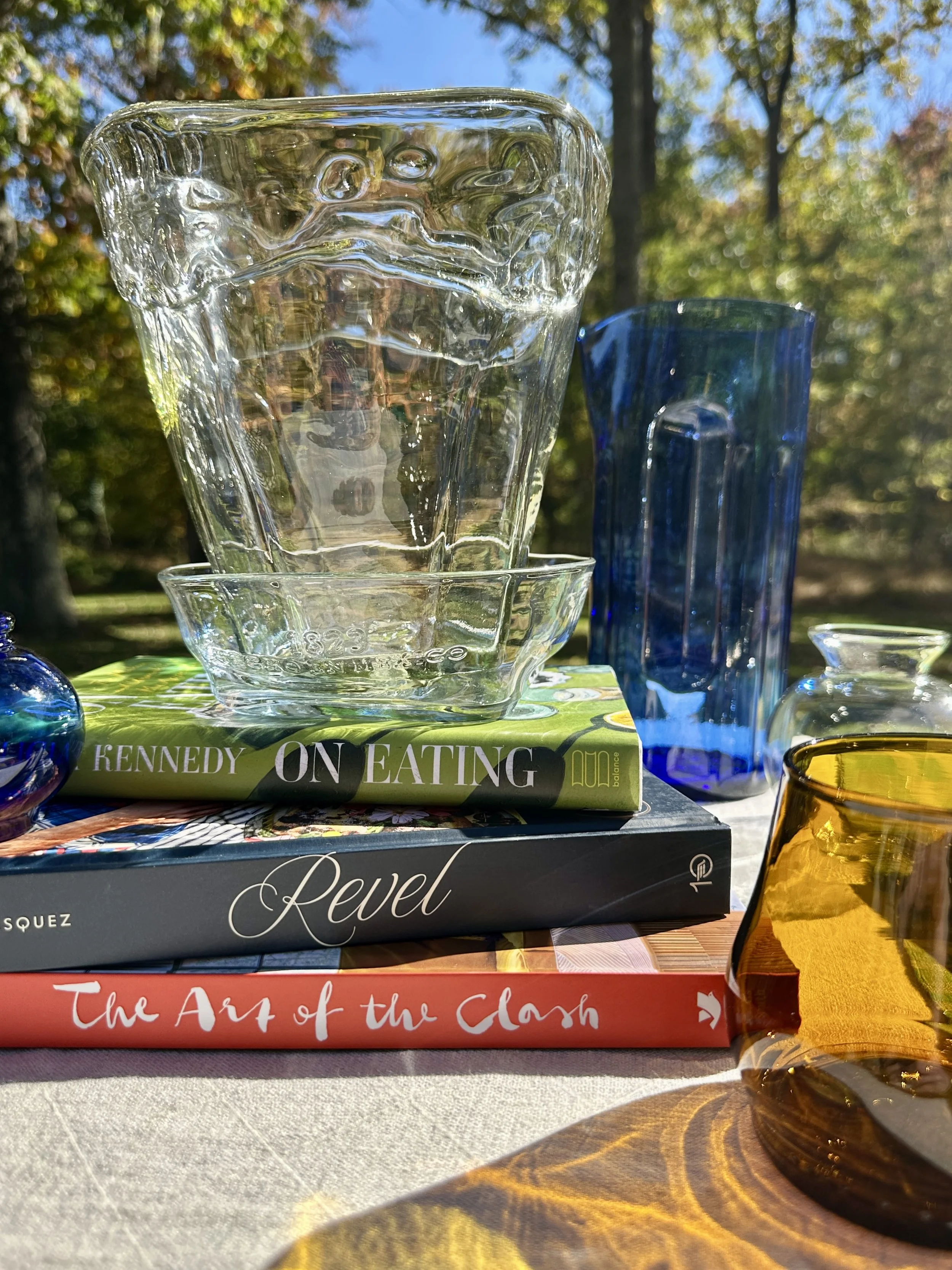
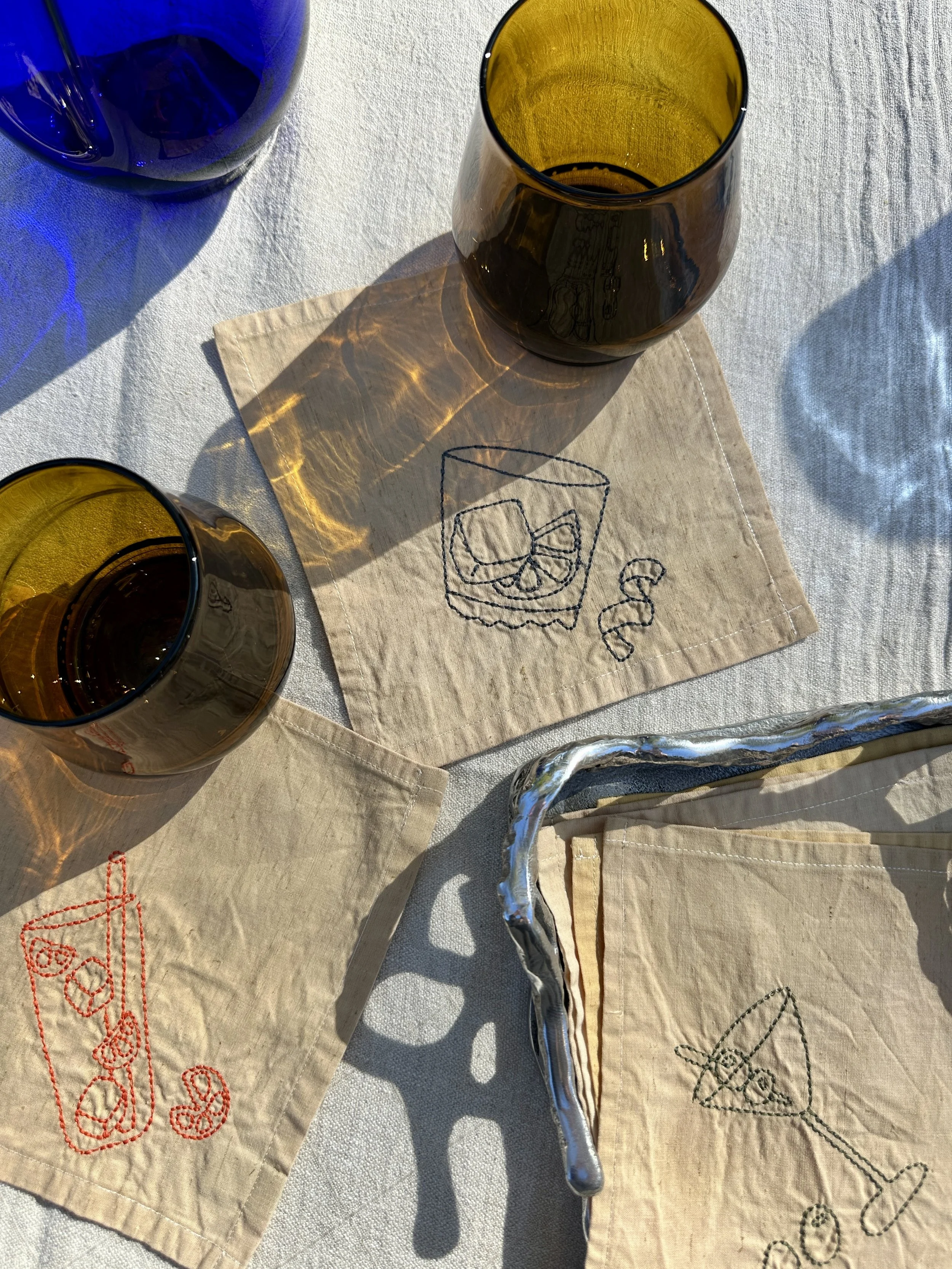
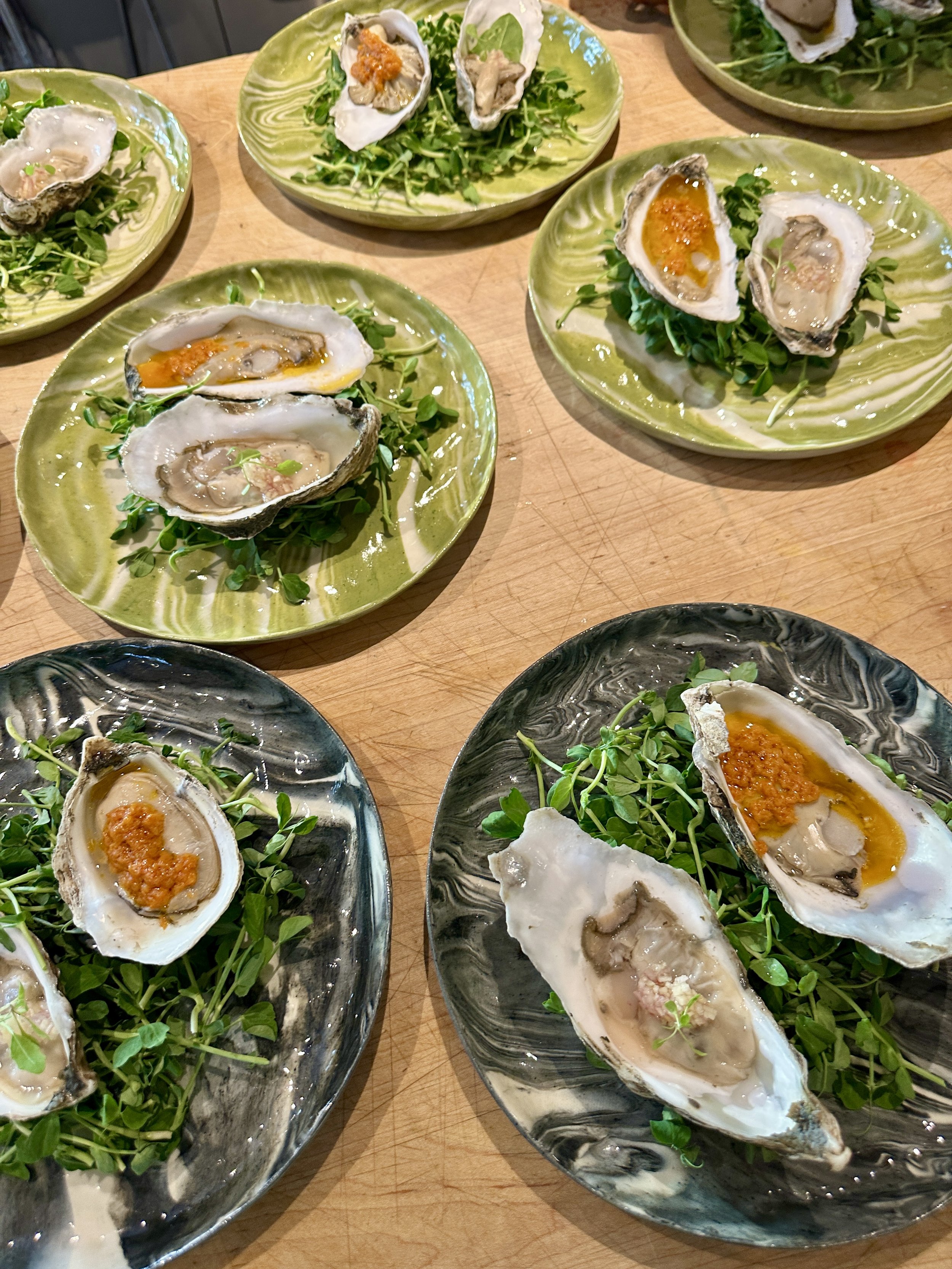
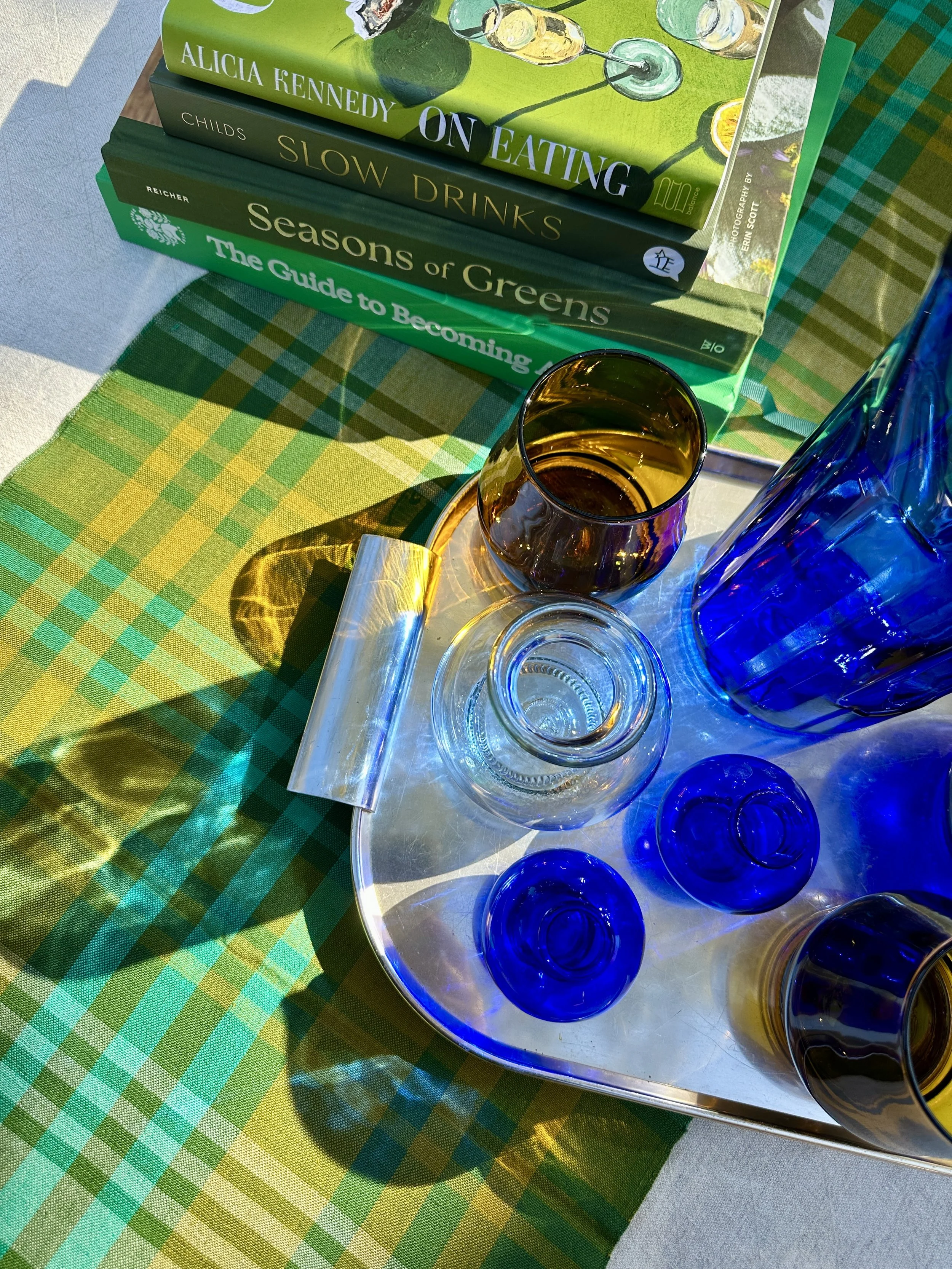
When she asked if I’d be interested in doing a dinner in partnership with her company Central Stem for the release of my latest book, On Eating, I knew that it would come together perfectly: I didn’t need a moodboard; she could be trusted to make something stunning along with chef Ian Knauer, of Amara Kitchen and Roots to River Farm in New Hope, Pennsylvania. And it was: the table runners were made from food waste and embroidered with the fruits and vegetables mentioned in the book; the vases were made from recycled vodka bottles; and her pop-up table had well-sourced chocolate bars, clam-shell-shaped metal trinket holders, and cozy candles.
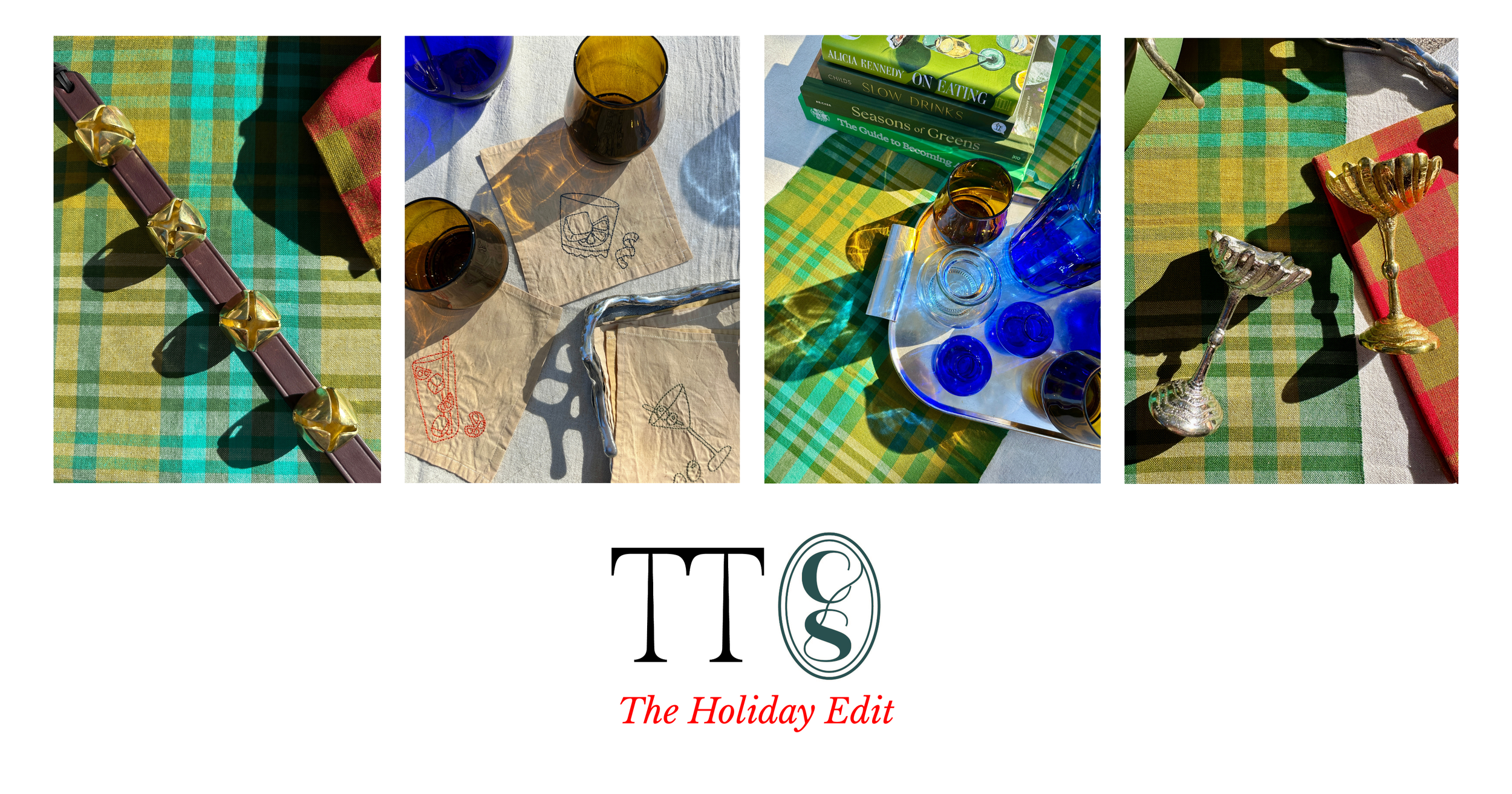
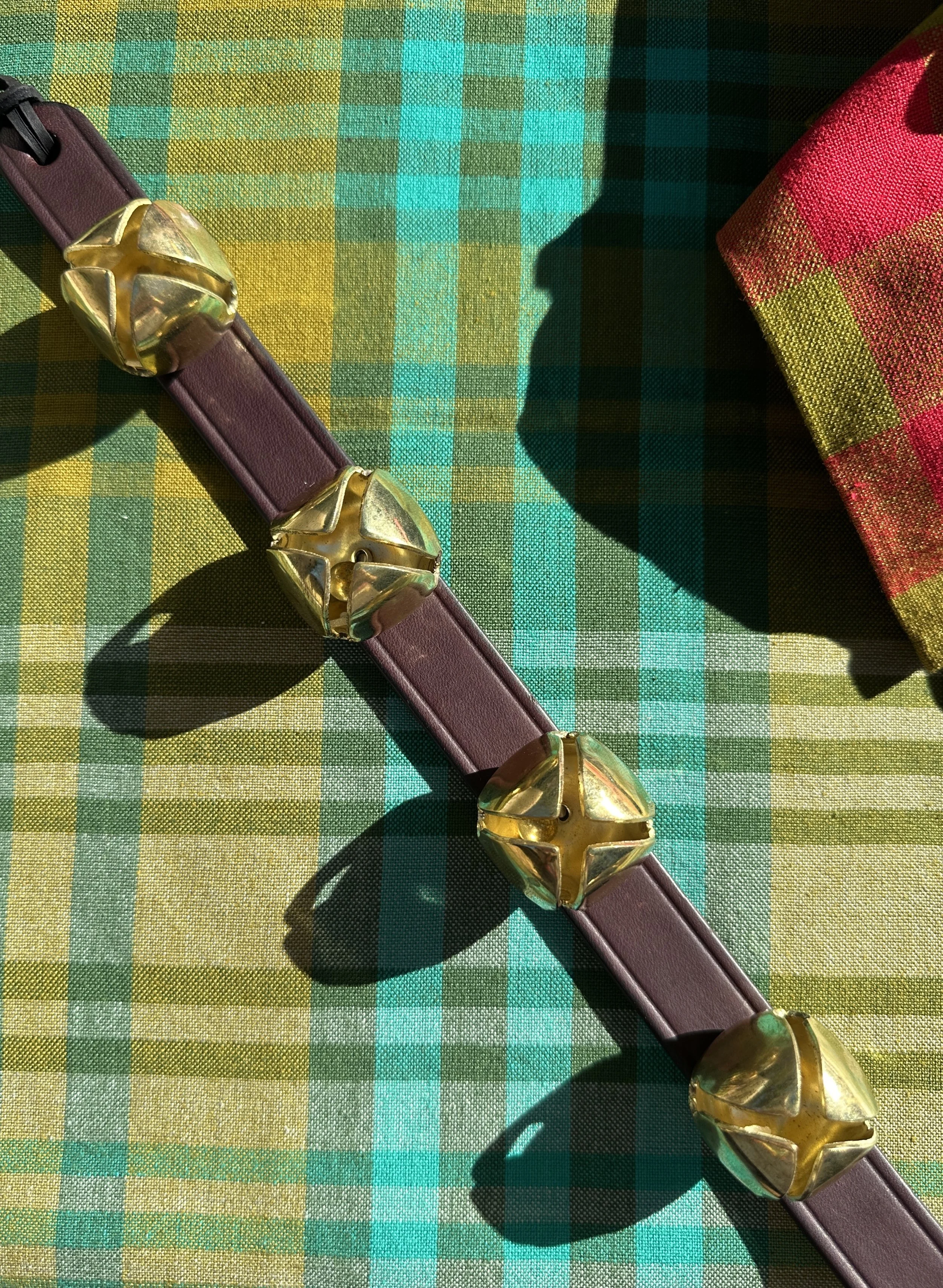
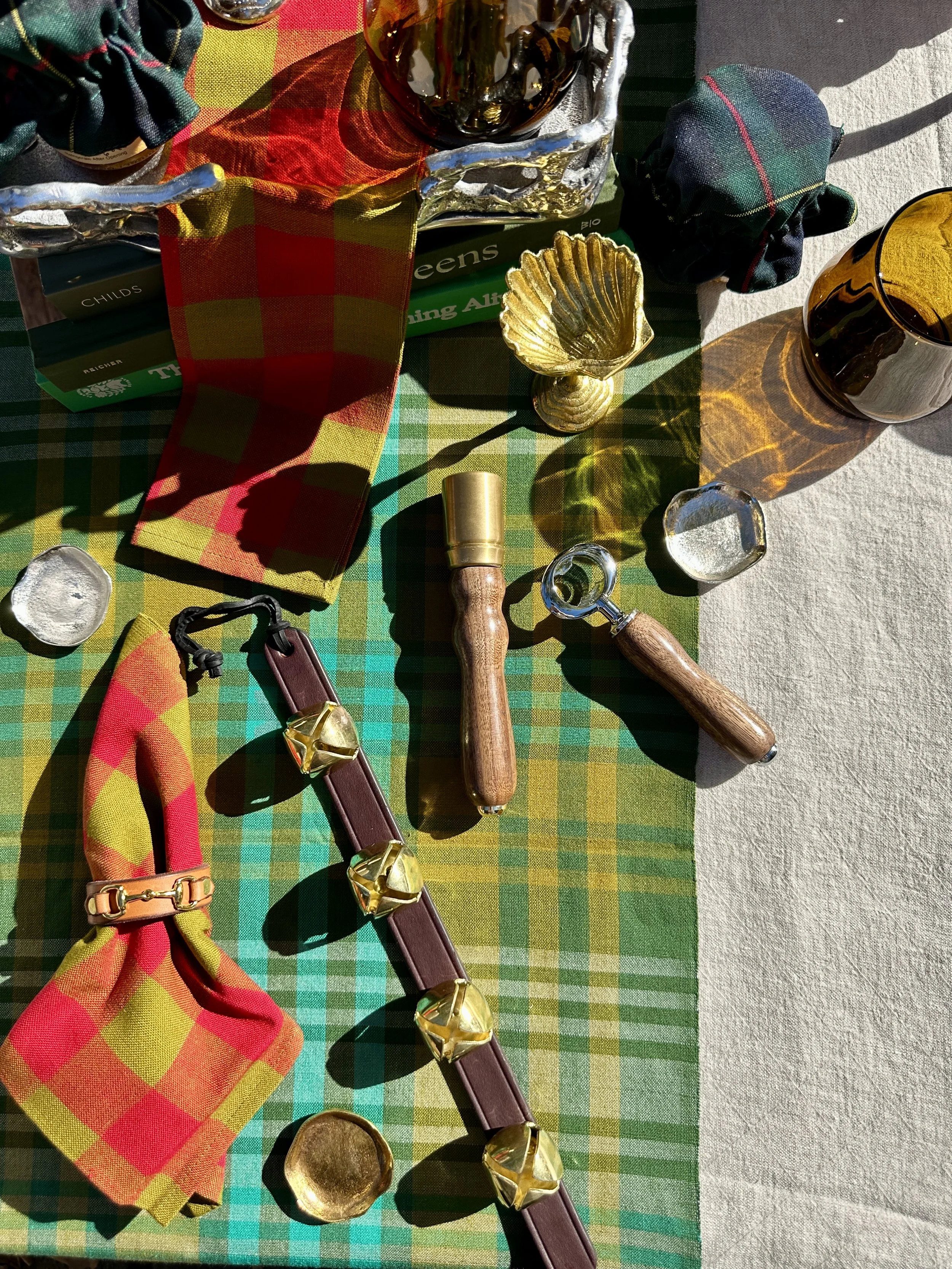
In considering ways for Tomato Tomato to expand into the real world, it was obvious that I should ask Holly if she wanted to collaborate on a holiday shop selection: Items that would be lasting heirlooms rather than disposable and thoughtless ephemera. This commitment to sustainability and craft makes the magazine and Central Stem natural partners. Today, to announce the shop and launch our special issue, here’s some more background on her work and our partnership.
Holly talked to me from her parents’ house in Mississippi after attending the Southern Foodways Symposium, a day before flying back to her home in Philadelphia. She always seems to be on the go in this way, forging new connections between food and design that enrich her work and the work of her partners.
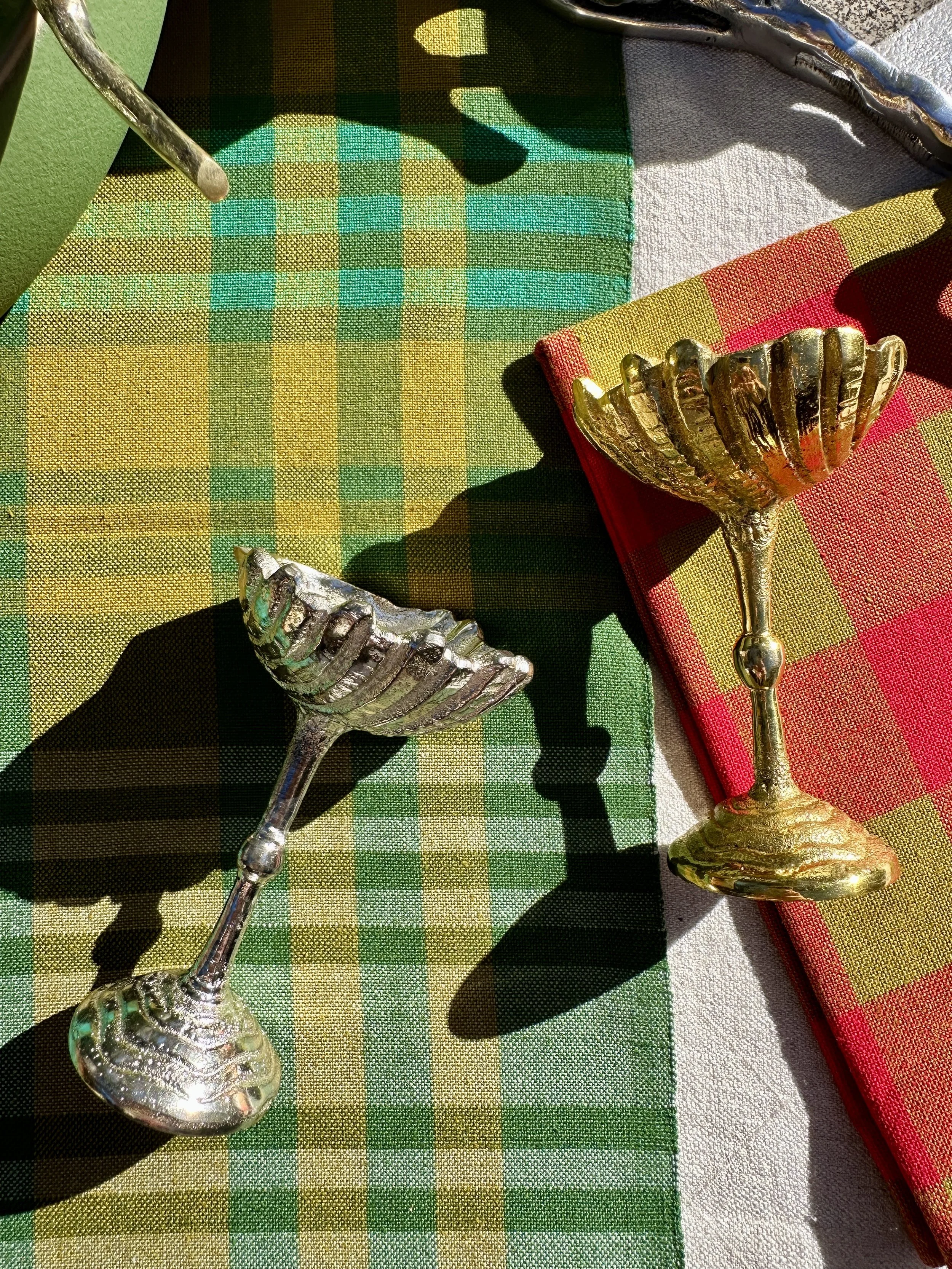
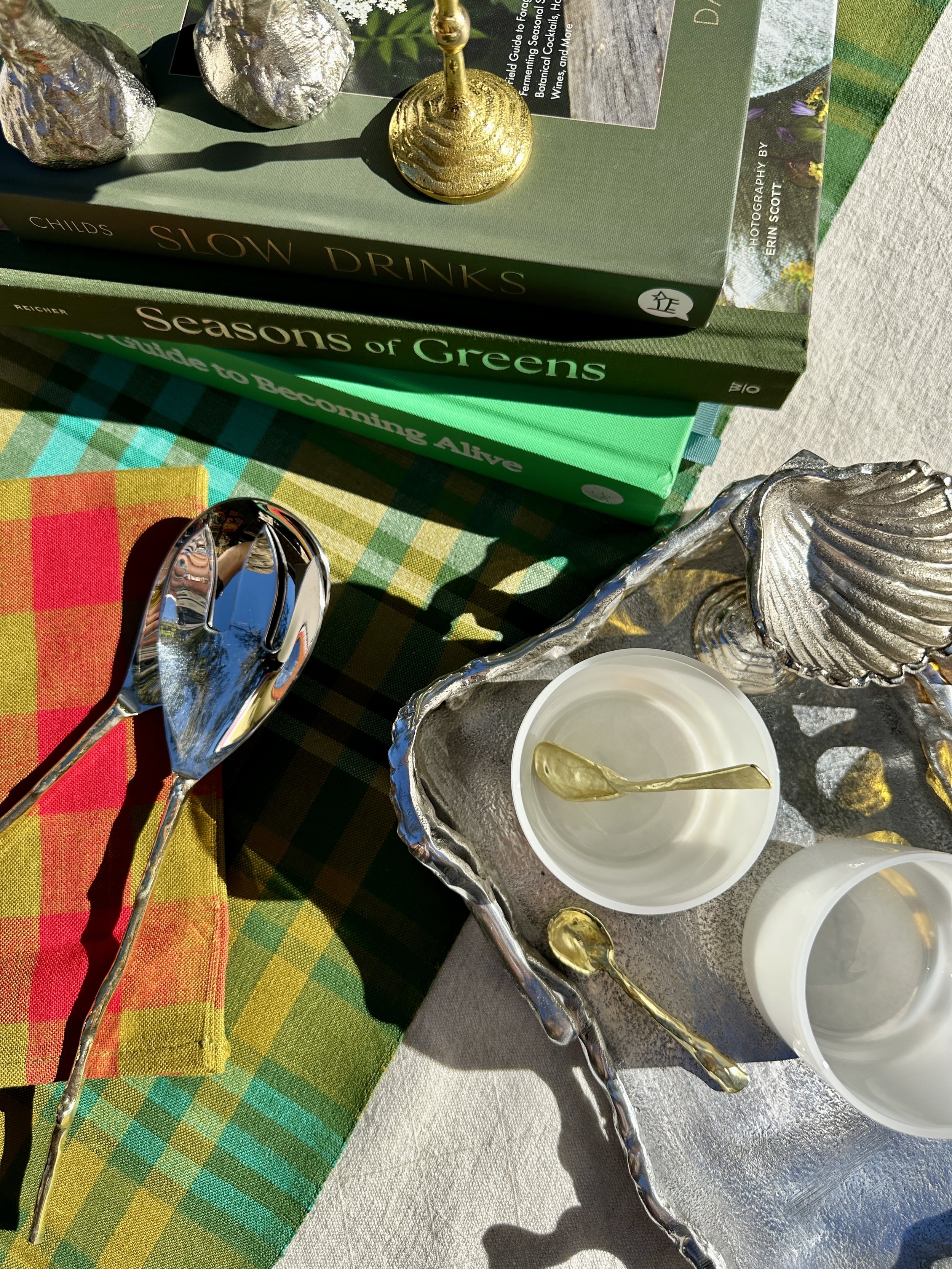
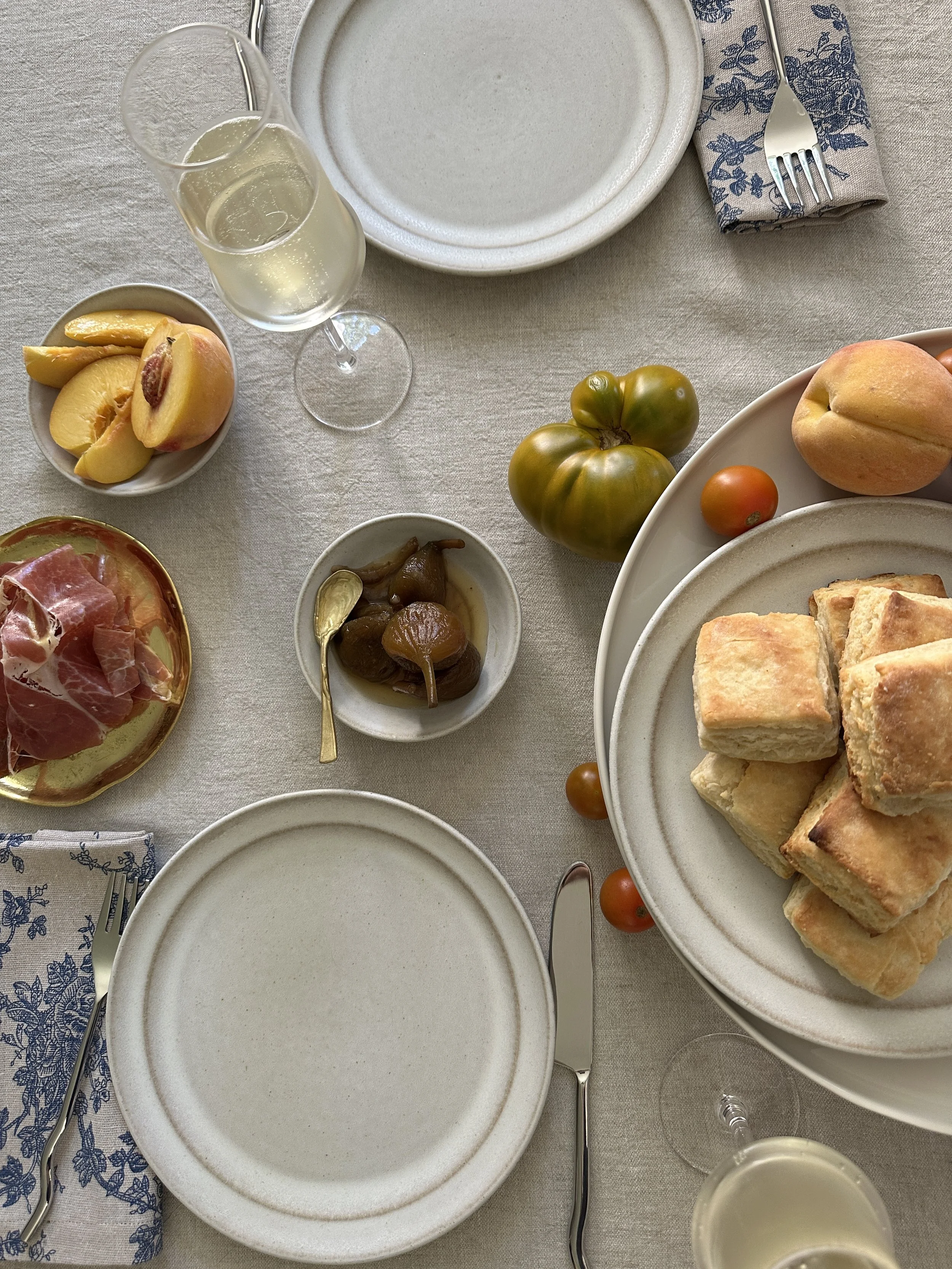
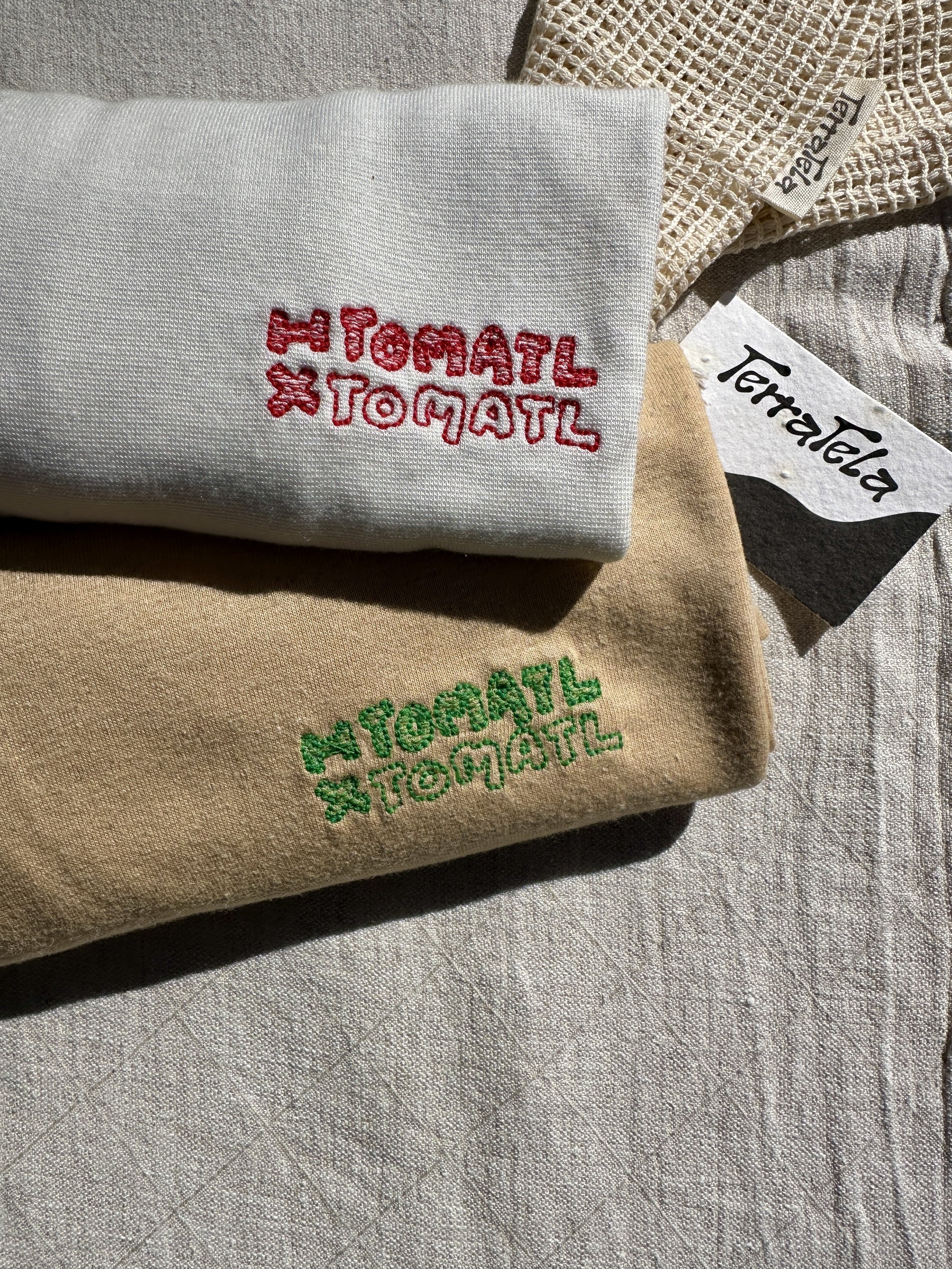
“When you’re publishing stories of how to read a menu, well, how can we connect that to a tangible thing that people can have as a takeaway?”
Though she studied fashion merchandising and design, worked for a long time in luxury fashion at Nicole Miller and in jewelry at Tiffany’s and David Yurman, she knew eventually she’d always wanted to do something food related.
How did Central Stem come to be and what’s the origin of the name?
“When I was married and not working full time, I worked at Williams-Sonoma for seven years. I was always the person that was at the table for the book signings, so I met all of these great cookbook authors and celebrity names at the table, and that was one of my favorite things, because I am a cookbook hoarder. If you ever come to my house, there are a lot of cookbooks. But then we also did artisan markets there, so I was the one making those relationships, reaching out to people who were just getting started—asking, which small businesses would be exciting to have at Williams-Sonoma? So we started doing little artisan markets in the store all the time.
I met the people who own Hand in Hand Soap, so then I worked for Hand in Hand Soap for seven years until it got acquired right after COVID. It was a small brand, so I wore a lot of hats. We started out making our own soap, all of our own lotions, everything. I was very much in the warehouse dealing with our wholesale accounts, but also physically making things, which I do love.
Once we started third party manufacturing and working with other vendors, making sure and learning about the markets and the supply chain and how all of that happens and sourcing things. We had to give back, so we were also donating clean water and providing soap around the world, mostly Haiti and Cambodia. But I worked very closely with those nonprofits, those partners, the people who were making our supply chain, and I loved the sustainability aspect of it. When Hand in Hand got acquired, I stumbled into consulting for a couple of different organizations: one was a women-in-hospitality nonprofit in Philadelphia, one was a creative agency.
Post-COVID, I was seeing the craze of people all of a sudden wanting more experiential events. I was seeing people pay hundreds of dollars to go to a chef's dinner—but what are they taking away from it besides their Instagram posts? Or there are sponsorships of big food events where it's a goodie bag and you're getting something you don't want—the environmental waste of that and the money, it's such a wasteful thing.
Central Stem came about as a way of tying my experiences together, and you know how people go into a restaurant, they're saying, Oh my God, who makes this plate? I wanted people to be able to come to an event that was intentionally set and people were able to have their own takeaway, so whether you liked the plate or whether you liked the food—maybe the food was prepared with a certain olive oil—and you learn that story.
That’s where the idea came from, but I didn’t know what to call it. Having an interest in art and loving Georgia O'Keeffe and her whole ethos, I was reading about her, and I read something about when she started doing food paintings, which were kind of different from what she had done previously. The art critic Lewis Mumford wrote, "All these paintings come from a central stem.” And so I thought, That's such a great quote and a great way to tie in everything that I feel Central Stem is doing.”
As “tablescaping” has become a big genre of social media content, I wanted to hear your perspective—your tablescaping is so rooted in your sustainable, craft-forward perspective.
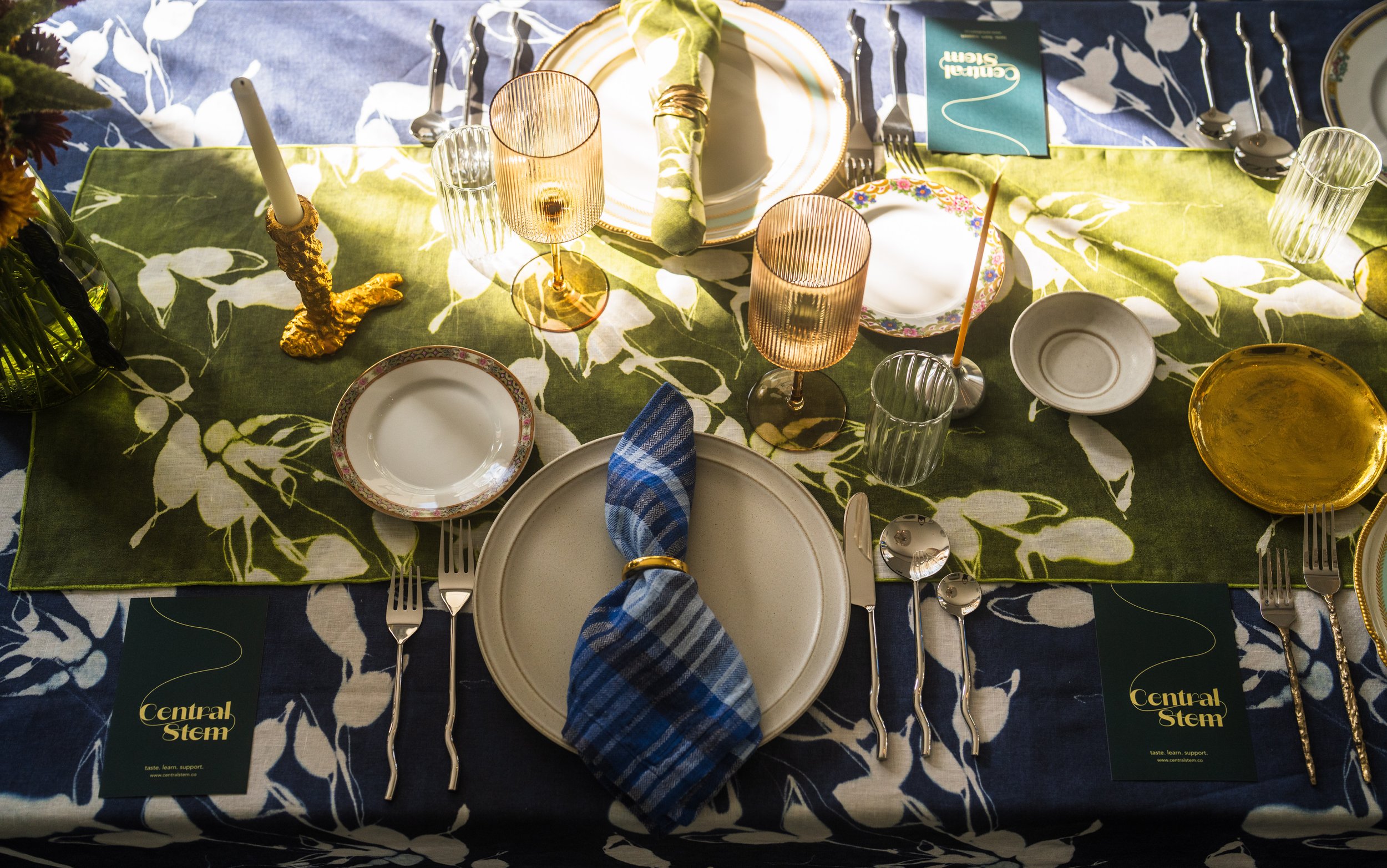
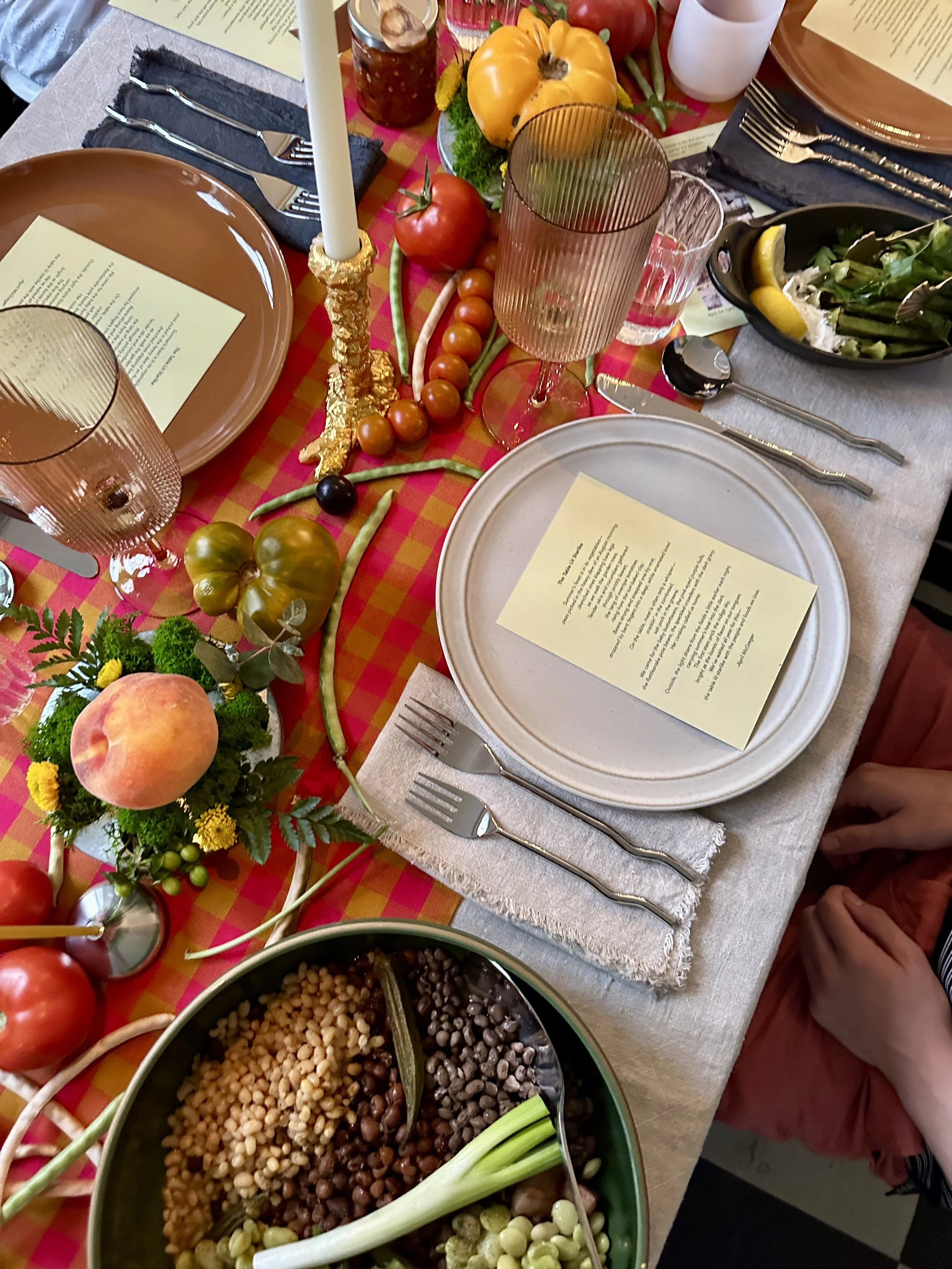
“A lot of tablescaping, if we want to use that term out there, can be very performative, over-the-top—it's wasteful. I do love a good theme— I'm not going to say I don't love a theme, but I think it's more setting the table for the table to tell a story. Food can do that in and of itself, but speaks more to a different layer of the story on the table.
One of the things when we did our dinner together for your book release, I feel I use that so much to explain what Central Stem is, because a lot of times they don't understand. So I say, “Well, here's Alicia's book, and she cares about sustainability, and the world as a whole and how to make our world better.” And so, just telling the stories of how we tied in the table linens made out of food waste and how they were geared toward different foods in your book, I feel that really helps people get the connection. They're like, Oh, this is really cool.
When I'm sourcing, I think: Okay, these linens. It's a painter, and it's that story of: she's a painter in Brooklyn, but her grandmother is Lithuanian, and she gets the Lithuanian linen made, and it's how she's taking that art and translating it into a different story on the table.”
So how are we going to bring together Tomato Tomato and Central Stem?
“I'm an avid reader, and so I definitely wanted to surround myself in experiences and like-minded people. When I started taking your food essay workshops, I’d wished I had a degree in food studies—it's just something that speaks to me, and I'm super excited about collaborating on it with you because I like what I sent you last week, of really helping people make those connections. When you're publishing stories of how to read a menu, well, how can we connect that to a tangible thing that people can have as a takeaway?”
Meet the makers featured in the shop in our full holiday edit issue:
Shelton Metal
Millstream Home
Terratela
Remark Glass
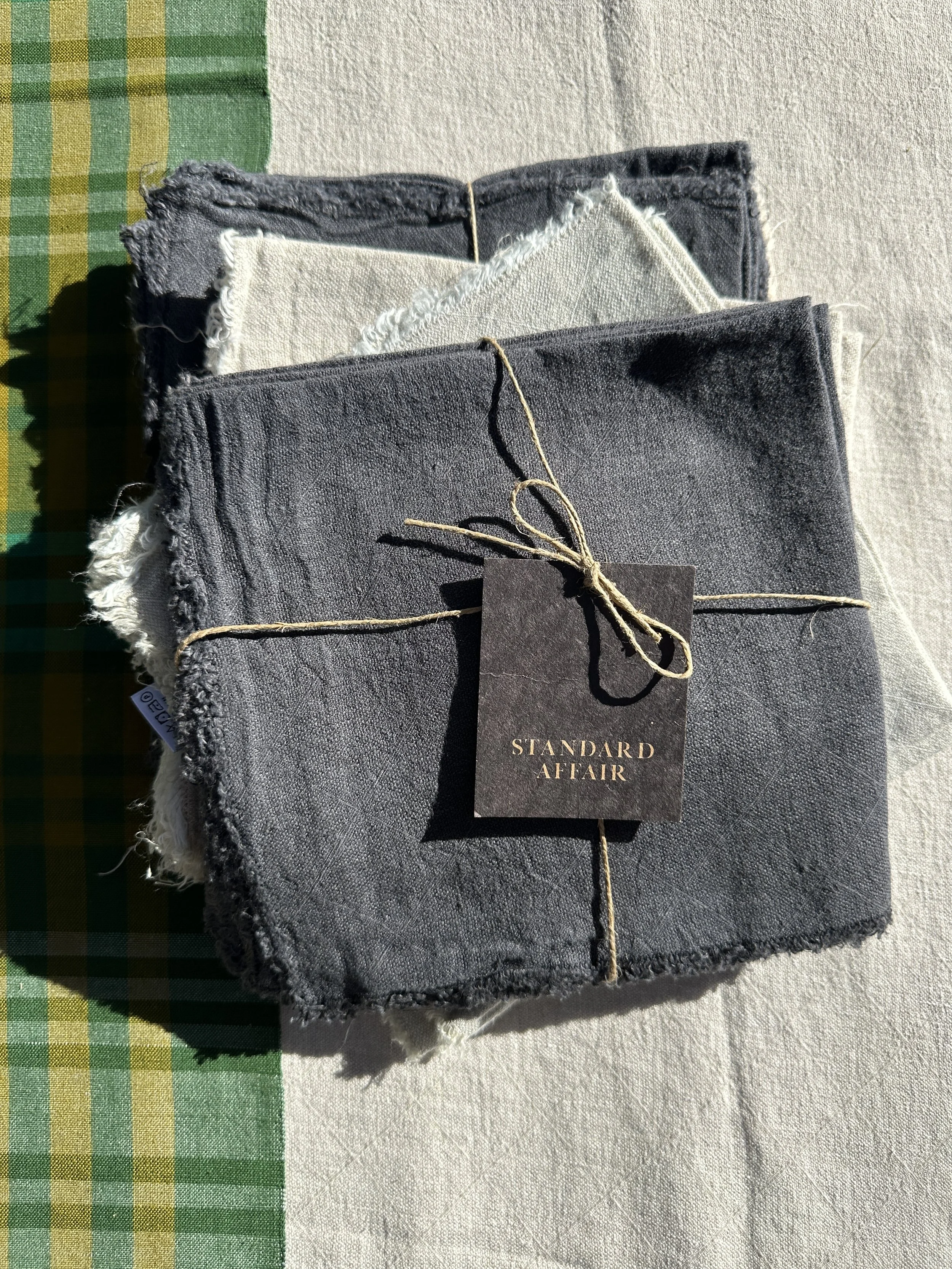
Standard Affair